METAbolism
Metabolism plays a critical role in cellular, tissue, and organismal homeostasis by fulfilling the energetic and biosynthetic demands of life. Consistent with its importance, a large fraction of the human genome encodes proteins involved in mammalian metabolism. These metabolic genes are organized in pathways interconnected by thousands of metabolites. At the subcellular level, the reactions that comprise intermediary metabolism are compartmentalized within specific organelles, and the identity of specific organellar and cell surface transporters has yet to be established for many metabolites. Scaling up, metabolism is further organized at the level of cells and tissues, where discrete cell types play specialized metabolic roles that must be coordinated to sustain tissue function. In multicellular organisms, this coordination extends across organ systems that cooperate to meet the metabolic needs of the whole body. While the core components of these pathways are largely known, it remains poorly understood how the flow of metabolites through intermediary metabolism — across organelles, cells, tissues, and organ systems — changes throughout development, aging, and disease. The Kenny Lab is interested in all aspects of metabolism — from fundamental biochemical discovery to the identification of novel nutrient-based therapies — with the goal of understanding and ultimately treating human disease.

Nutrient Transport
The controlled exchange of metabolites between cells and their environment is critical to cellular and organismal life. To achieve such control and establish biochemical environments distinct from their surroundings, cells use lipid membranes and proteinaceous nutrient transporters. Highlighting the importance of this process, ~10% of the human genome encodes proteins with transport function. The largest collection of transport proteins is the solute carrier (SLC) superfamily, with over 400 members localized at organellar and plasma membranes. Nearly 50% of SLC transporters are implicated in human disease. Despite this, more than 30% of SLC transporters have no known physiological substrates, with many more having misannotated substrates. The Kenny Lab deorphanizes these nutrient transporters and studies them across biological scales — from single molecules to entire organisms.
Systems Biology Approach

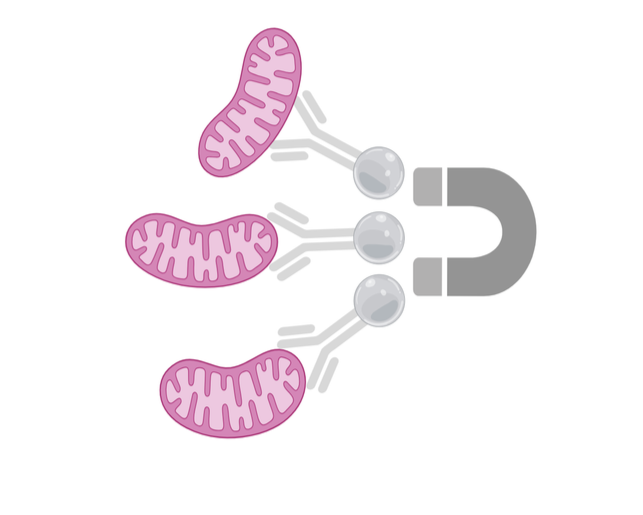
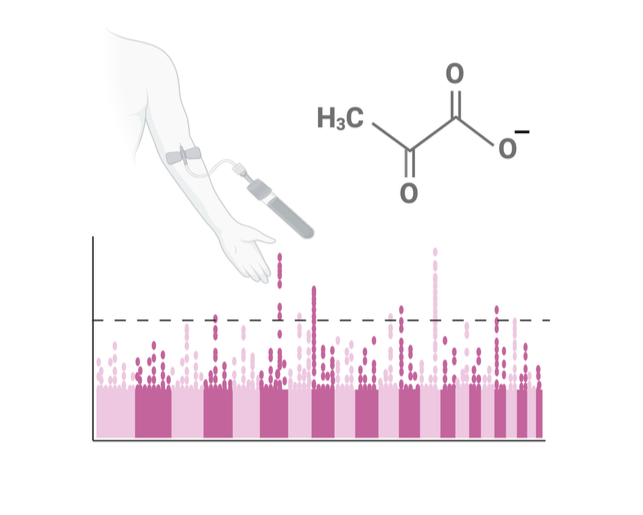
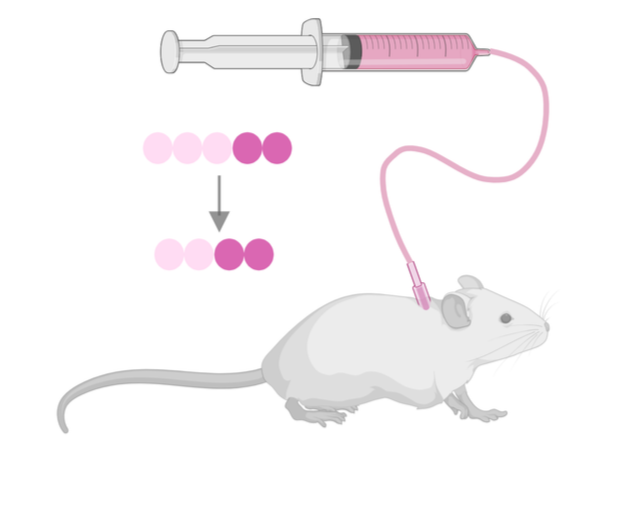
To study metabolism and nutrient transport, the Kenny Lab takes a systems biology approach, leveraging CRISPR-based genetic screens and human multiomic datasets to identify novel mechanisms of metabolic regulation and nominate physiological substrates of transporters. We also use organellar immunocapture to isolate and profile intact organelles, such as mitochondria, enabling us to study compartmentalized metabolism at the subcellular scale. We are particularly interested in understanding how metabolism in discrete cell types or specific tissues globally affects organismal physiology. To address such questions, the Kenny Lab utilizes genetically engineered mouse models and in vivo stable isotope tracing to quantify metabolism across tissues at the organismal scale. Altogether, we believe these approaches will uncover how metabolism contributes to disease pathogenesis and identify novel therapeutic targets that can be modulated through diet or medication to treat human disease.

The Kenny Lab is housed at the Icahn School of Medicine at Mount Sinai, one of the nation's leading academic medical centers. The lab is part of the Cardiovascular Research Institute and holds a secondary affiliation with the Diabetes, Obesity and Metabolism Institute. Mount Sinai's integrated research and clinical enterprise provides a uniquely rich environment for discovery, with world-class resources, collaborative opportunities across disciplines, and direct access to patient populations that bridge basic science findings to human disease. Located in New York City, the Icahn School of Medicine is home to a vibrant and dynamic scientific community at the forefront of biomedical research.
Our LAB Space